
Winter Skin & Allergy Care for Alpena Pets
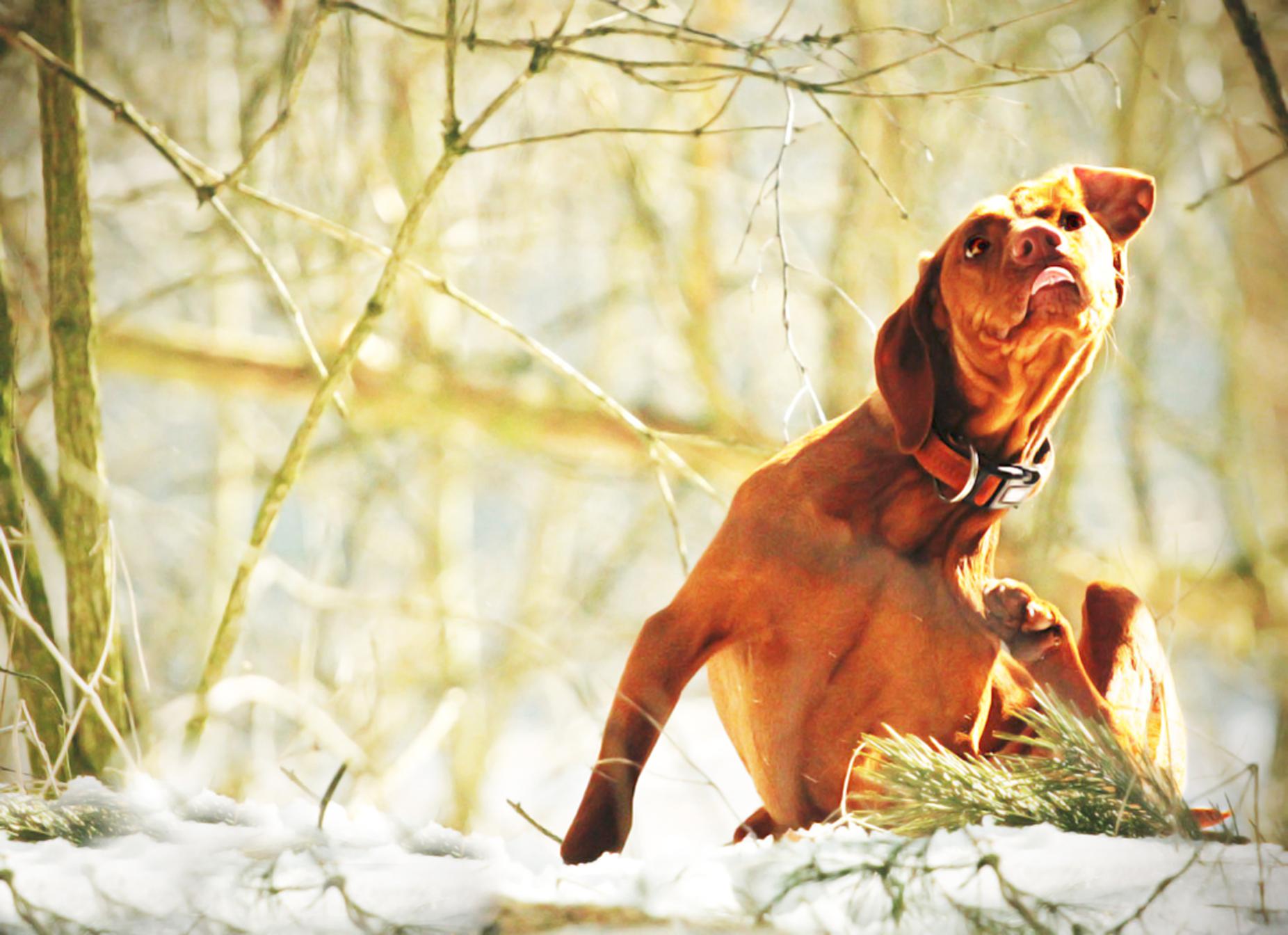
We’re no strangers to cold weather in Alpena, but we have better ways of coping with freezing weather than our four-legged, furry friends. As the mercury dips, the air becomes noticeably dry. As the temperatures and humidity levels drop, you might notice your pet scratching at the collar, or consistently licking the paws. Winter skin and allergies can make life less-than-ideal for your pets, but it doesn’t have to. These tips can help your pet feel better this winter.
Moisture, Moisture, Moisture
There are many ways to get in front of pet allergies. Since we know that the dry air is a major factor in itchy skin, it makes sense to add a little humidity to a pet’s indoor environment. This small adjustment can make a big difference to the temperature and how the air affects their skin.
Regular Grooming
A common side effect of the winter’s chill is a dull coat. The skin can be supported by brushing the coat 2-3 times a week, a process that spreads the skin’s natural oils throughout the sides and back. The coat then takes on a more lustrous sheen and pets are happier when they look good.
…But Ease Up on Bathing
Overwashing a pet can strip their skin of the soothing oils and creates conditions that trigger allergies. If a bath is necessary, purchase a moisturizing, hypoallergenic pet shampoo, and always be sure to rinse your pet thoroughly. Towel dry and only use low-heat if your pet tolerates a blow dryer.
Food and Drink
Your pet’s diet has an incredible impact on their overall health. Specifically, some food has the potential to cause a range of symptoms, but eating the good stuff can result in better health. A balanced diet rich in fatty acids can support the skin and coat. Fish oil supplements and prescription foods can be excellent sources of these nutrients.
Also, be sure that your pet always has access to fresh, clean water. Dehydration in winter can still happen. Outdoor bowls can freeze so check on your pet’s supply throughout the day.
Winter Pet Health
A big part of your pet’s skin includes their nose and paw pads. Ice, salt, and various de-icers can have a drying effect on them. A pet-safe balm or wax product can protect them from exposure to these chemical compounds, but it’s equally important to rinse and dry their paws after any time outside. Boots can also be effective, but may involve a training period.
Adding a little smear of pet-safe balm or wax to any dry, cracked skin can make a big difference to their comfort and well-being.
Keep ‘Em Going
There are many pets that absolutely love the snow and may need some reigning in when they’ve been outside too long. Of course you want to keep them happy and active all winter long, but it’s necessary to know their limits. If it’s too cold for you, it’s likely to be too cold for them. Outfit them in a nice sweater, vest, or jacket, and keep them hydrated.
To further support your pet’s skin this winter, watch for any signs of discomfort like scratching, redness, hair loss, sores, bleeding, and secondary skin infections. We can help you figure out what’s going on.
We are always here to help you with questions. Please call Switzer Veterinary Clinic at (989) 356‑4880.